AfriFacto is an independent data and information platform dedicated to illuminating the social, economic, and political landscape of the African continent through reliable, verified data.
-
Our Mission:
-
To democratize access to high-integrity African data, empowering policymakers, researchers, businesses, and citizens with the facts needed to drive progress.
-
What We Cover:
-
Economy & Business: Comprehensive data on trade, tax structures, market trends, and macroeconomic indicators.
-
Tourism & Heritage: Insights into eco-tourism, landmark destinations, hospitality trends, and travel infrastructure across the region.
-
Sports & Culture: Data and analysis tracking athletic developments, major sporting events, league performance, and cultural narratives across African nations.
-
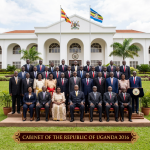
Government & Policy: Analysis of governance, historical cabinet restructurings, and policy developments.
-
Demographics & Technology: Statistics detailing infrastructure growth, fixed-line and mobile penetration, and regional demographic trends.
-
By transforming complex statistics into transparent, accessible insights, AfriFacto serves as a central hub for anyone seeking an accurate, data-driven understanding of modern Africa.
About AfriFacto
Africa, Powered by Facts
AfriFacto is an African information and data reference platform designed to make reliable information about Africa easier to discover, understand, compare and use.
Africa is a continent of 54 countries, thousands of communities, hundreds of languages, diverse economies and rapidly changing societies. Yet information about Africa is often scattered across government websites, statistical databases, international organizations, research institutions, news publications and specialist reports.
AfriFacto exists to make that information easier to find and understand.
Our platform brings together African statistics, country information, research, analysis, economic information, demographic information, development indicators, historical information, geography, society, tourism, infrastructure and other reference material in one organized environment.
Our goal is not simply to publish more information. It is to provide information with context, sources, definitions and methodology so that users can understand what a number means, where it came from and how it can appropriately be compared with other information.
Explore AfriFacto
Explore African Countries → Discover country profiles, facts, indicators and reference information.
Browse Africa Data → Search and compare African statistics and indicators.
Explore Research & Analysis → Read explanations and analysis built around African data and evidence.
What Is AfriFacto?
AfriFacto is an independent African information and data reference platform focused on making information about African countries more accessible.
The platform combines several types of information:
- African statistical data
- Country profiles
- Economic indicators
- Population and demographic information
- Education and health indicators
- Agriculture and food information
- Telecommunications and digital development data
- Infrastructure information
- Tourism information
- Geography and environmental information
- Historical information
- Research and reference material
- Data-driven analysis
- Country and regional comparisons
AfriFacto is designed to serve both people who need a quick factual answer and people who require information for deeper research.
Start Exploring
View Country Profiles → Explore information about individual African countries.
Browse Statistics & Data → Find indicators, values, years, units and sources.
Compare Countries → Examine African countries using comparable indicators where data permits.
Why AfriFacto Exists
Finding reliable information about Africa can be unnecessarily difficult.
A researcher may need to visit several statistical databases to compare GDP, population, literacy, internet access and agricultural indicators. A student may need to search multiple websites to understand a country’s geography and economy. A business professional may need to consult government publications, international datasets and industry information before making a decision.
AfriFacto aims to simplify this process.
We believe African information should be:
Discoverable.
Users should be able to find relevant information without searching through dozens of unrelated websites.
Understandable.
Statistics should be accompanied by definitions, units, years and appropriate context.
Comparable.
Where data permits comparison, users should be able to examine countries and indicators using consistent terminology and clearly identified sources.
Traceable.
Important statistics should identify their source and, where possible, provide a route to the original dataset or institution.
Useful.
Information should help users learn, research, analyze and make informed decisions.
Find Information Faster
Explore Countries → Start with a country and discover its key information.
Browse Topics → Explore African information by subject.
Explore Regions → Discover information organized across North, West, East, Central and Southern Africa.
What Information Does AfriFacto Provide?
AfriFacto covers information across multiple areas of African life and development.
African Statistics and Data
Statistics are a central component of AfriFacto.
The AfriFacto data platform is intended to help users discover and compare indicators relating to areas such as:
- GDP and economic growth
- GDP per capita
- Population
- Population growth
- Inflation
- Trade
- Employment
- Agriculture
- Education
- Literacy
- Health
- Life expectancy
- Internet access
- Telecommunications
- Energy
- Infrastructure
- Tourism
- Urbanization
- Development indicators
- Other economic, demographic and social statistics
Each statistical observation should be understood in relation to its country, indicator, year, value, unit, source and methodology.
AfriFacto does not treat a number as meaningful simply because it appears in a table. The surrounding information matters.
Explore the Data
Open Africa Data → Search African indicators and statistics.
View Rankings → Explore selected country rankings and comparisons.
Compare Countries → Compare indicators across countries where comparable data is available.
Learn About the Methodology → Understand how AfriFacto organizes and presents statistical information.
African Countries Covered
AfriFacto is structured around the 54 internationally recognized sovereign states generally counted as African countries.
The platform organizes countries geographically to make information easier to navigate.
North Africa
- Algeria
- Egypt
- Libya
- Morocco
- Sudan
- Tunisia
West Africa
- Benin
- Burkina Faso
- Cabo Verde
- Côte d’Ivoire
- The Gambia
- Ghana
- Guinea
- Guinea-Bissau
- Liberia
- Mali
- Mauritania
- Niger
- Nigeria
- Senegal
- Sierra Leone
- Togo
East Africa
- Burundi
- Comoros
- Djibouti
- Eritrea
- Ethiopia
- Kenya
- Madagascar
- Malawi
- Mauritius
- Mozambique
- Rwanda
- Seychelles
- Somalia
- South Sudan
- Tanzania
- Uganda
- Zambia
- Zimbabwe
Central Africa
- Angola
- Cameroon
- Central African Republic
- Chad
- Democratic Republic of the Congo
- Republic of the Congo
- Equatorial Guinea
- Gabon
- São Tomé and Príncipe
Southern Africa
- Botswana
- Eswatini
- Lesotho
- Namibia
- South Africa
Some countries can reasonably be grouped differently depending on the geographic classification being used. Where a regional classification is used for a particular dataset, AfriFacto should identify the relevant classification rather than implying that every organization uses exactly the same regional boundaries.
Explore African Countries
View All Countries → Browse the full AfriFacto country directory.
Explore North Africa →
Explore West Africa →
Explore East Africa →
Explore Central Africa →
Explore Southern Africa →
Country Information
AfriFacto provides country-focused information designed to help users understand individual African countries in context.
A country profile may include information such as:
- Geography
- Population
- Capital city
- Languages
- Economy
- GDP
- Agriculture
- Trade
- Education
- Health
- Infrastructure
- Telecommunications
- Tourism
- Natural resources
- Major cities
- Historical information
- Government and public institutions
- Development indicators
- Relevant statistics and datasets
Country information is presented as a reference resource rather than as a replacement for official government information.
Where information concerns government policy, legislation, public statistics or official announcements, users should be directed to the relevant official institution where appropriate.
Go to a Country
Open the Country Directory → Find an African country and explore its available information.
Explore Country Statistics → View available indicators and data for individual countries.
Compare Countries → Put countries side by side using comparable indicators.
Research and Analysis
AfriFacto is not intended to be only a database.
The platform also provides research and analysis that explains the significance of information.
A statistical figure can answer “what?”
Research can help answer:
- Why did the figure change?
- How does one country compare with another?
- What historical factors influenced the trend?
- What does the indicator actually measure?
- What are the limitations of the data?
- What additional indicators should be considered?
- What sources provide further evidence?
AfriFacto analysis therefore aims to provide context without presenting interpretation as established fact.
Where conclusions are analytical rather than directly reported by a source, they should be presented as analysis and supported by relevant evidence.
Continue Your Research
Read Research & Analysis → Explore evidence-based explanations and analysis.
Browse Topics → Find research organized by subject.
Explore Data Sources → See the institutions and datasets behind AfriFacto information.
Our Sources
Reliable reference information requires reliable sources.
Depending on the subject, AfriFacto may use information from recognized institutions such as:
- National statistical offices
- African governments and government ministries
- African Development Bank
- World Bank
- United Nations agencies
- UNESCO and the UNESCO Institute for Statistics
- International Monetary Fund
- Food and Agriculture Organization
- International Telecommunication Union
- World Health Organization
- UN Tourism
- Other recognized international organizations
- Academic and research institutions
- Official regulatory and specialist organizations
Primary sources are preferred whenever they are available and appropriate.
For statistical information, AfriFacto aims to identify the original data provider rather than presenting third-party figures without attribution.
Verify the Evidence
Explore Data Sources → See where AfriFacto’s information comes from.
Read Our Methodology → Understand how information and statistics are evaluated and presented.
Review Our Editorial Policy → Learn about AfriFacto’s standards for accuracy, attribution, originality and corrections.
AfriFacto Data Methodology
Statistics can be misleading when they are presented without methodology.
For this reason, AfriFacto’s data architecture is designed around the principle:
Country → Indicator → Year → Value → Unit → Source → Methodology
Where available, additional metadata may include:
- Indicator name
- Indicator code
- Definition
- Measurement unit
- Reference year
- Frequency
- Source institution
- Dataset
- Geographic coverage
- Notes
- Data limitations
Different organizations can measure apparently similar indicators differently.
For example, GDP, GDP per capita, GDP at purchasing power parity and real GDP growth are related but different measures.
Likewise, mobile subscriptions do not necessarily represent unique individuals, and a literacy rate does not measure the overall quality of an education system.
AfriFacto therefore aims to preserve the original definition of an indicator and avoid presenting incompatible measurements as though they were directly equivalent.
Understand the Data
Read the Methodology → Learn how AfriFacto approaches data, indicators and sources.
Browse the Data → Explore available African statistics.
Check the Source → Trace important figures back to their underlying provider.
Editorial Standards
AfriFacto aims to follow clear editorial principles.
Accuracy
We seek to verify factual information against reliable sources before publication.
Source Attribution
Important factual and statistical claims should identify their underlying source whenever practical.
Context
Statistics should be presented with the relevant year, unit and definition where available.
Transparency
Where information is uncertain, incomplete, estimated or subject to methodological limitations, that limitation should be acknowledged.
Originality
AfriFacto aims to produce original explanations, summaries, comparisons and analysis rather than simply reproducing material published elsewhere.
Information obtained from external sources should be attributed appropriately.
Separation of Fact and Analysis
AfriFacto distinguishes between:
What the source reports and what AfriFacto’s analysis concludes from the available evidence.
This distinction is important for maintaining an informative and trustworthy reference platform.
Corrections
If a factual or data error is identified, AfriFacto aims to investigate the issue and correct the affected information.
Where a significant correction changes the meaning of an article or dataset, the relevant page may be updated to reflect the correction.
Learn More About Our Standards
Read the Editorial Policy →
Read the Data Methodology →
View Our Data Sources →
Contact AfriFacto → Report an error, suggest an improvement or contact the platform.
AfriFacto and Artificial Intelligence
Modern information platforms can use technology and artificial intelligence to assist with research, organization, data processing and content development.
AfriFacto’s objective is not to publish automatically generated material without review.
Technology may assist the editorial and data workflow, but published information should be evaluated for:
- Factual accuracy
- Source reliability
- Relevance
- Originality
- Context
- Data consistency
- Methodological clarity
AI-generated or AI-assisted material should therefore not be treated as authoritative simply because it is well written.
The underlying evidence remains important.
How AfriFacto Differs From an Ordinary News Website
AfriFacto is not designed primarily as a breaking-news publication.
News websites generally focus on reporting events as they happen.
AfriFacto has a different primary purpose.
We focus on reference information, statistics, research, country knowledge, historical context and data-driven analysis.
A news article might report:
A country’s GDP increased during a particular year.
AfriFacto aims to help the reader investigate further:
- What was the GDP?
- What was the previous value?
- What was the growth rate?
- How does it compare with other African countries?
- Which dataset produced the figure?
- What does the indicator measure?
- How has the indicator changed historically?
- What other economic indicators provide context?
In this way, AfriFacto is intended to function as a reference layer around African information, rather than simply another stream of daily headlines.
Go Beyond the Headline
Explore African Data → Investigate the numbers behind the story.
Browse Country Profiles → Understand countries in broader context.
Read Research & Analysis → Go deeper into African trends and issues.
Compare Countries → Put available information into perspective.
Who AfriFacto Serves
AfriFacto is designed for a broad audience.
Students
Students can use country information, statistics and research material for learning and academic exploration.
Researchers
Researchers can use structured data, source information and country comparisons as starting points for further investigation.
Journalists
Journalists can use statistical information and source references when researching African economies, societies and development.
Businesses and Investors
Businesses can use country and economic information to understand African markets and identify areas requiring deeper research.
Governments and Public Institutions
Public-sector professionals can use comparative information and historical statistics as reference material.
Development Organizations
Development practitioners can use socioeconomic indicators and country information when researching development conditions and trends.
Educators
Teachers and educators can use country profiles, statistics and explanatory material as educational resources.
African Professionals and the General Public
Anyone interested in understanding African countries, economies, societies, history, geography and development can use AfriFacto as a starting point for research.
Choose Your Starting Point
I’m a Student → Explore Countries & Data
I’m a Researcher → Explore Data & Sources
I’m a Journalist → Explore Statistics & Analysis
I’m a Business Professional → Explore Countries & Economic Data
I’m an Educator → Explore Country Information & Reference Material
I’m Exploring Africa → Browse Countries & Topics
Using AfriFacto Responsibly
AfriFacto is intended to make information easier to discover, but users should consider the purpose and limitations of individual datasets.
For academic, legal, financial, medical, investment, governmental or other high-stakes decisions, users should consult the original authoritative source and qualified professionals where appropriate.
A statistic can provide evidence without providing the complete explanation.
AfriFacto encourages users to examine the source, methodology, reference year and context behind important information.
Before using important information, check the Source → Methodology → Year → Definition → Context.
Our Approach to African Information
AfriFacto is built around a simple principle:
Better access to information can support better understanding.
Africa is too diverse to be described by a handful of rankings or statistics.
Economic performance differs between countries. Development outcomes vary between regions. Population structures are changing. Digital connectivity is expanding at different rates. Agricultural systems differ by climate and geography. Tourism markets have different characteristics.
Understanding these differences requires information that is organized, sourced and placed in context.
That is the role AfriFacto aims to play.
Explore Africa by Subject
Economy → Explore economic information and indicators.
Population → Explore demographic information.
Education → Explore education and literacy information.
Agriculture → Explore agriculture and food-related information.
Technology → Explore telecommunications and digital development.
Tourism → Explore tourism and heritage information.
Geography → Explore African geography and environmental information.
Our Vision
Our vision is to become a trusted digital reference point for information about Africa.
We want users to be able to move from a simple question to deeper understanding:
Question → Data → Source → Context → Comparison → Understanding
Whether someone wants to know the population of an African country, compare GDP growth, research literacy, understand tourism, examine telecommunications, explore a country’s history or investigate a development indicator, AfriFacto aims to provide a structured starting point.
Start with a Question → Explore AfriFacto
Our Mission
Our mission is to make reliable information about Africa easier to discover, understand, compare and use.
We work toward this mission by combining:
Data + Research + Analysis + Country Information + Sources + Context
into a single African-focused information platform.
Explore the Platform
Countries → Explore African country information.
Data → Search and compare African statistics.
Regions → Explore Africa by geographic region.
Topics → Browse information by subject.
Rankings → Explore selected African rankings.
Compare → Compare countries and indicators.
Research → Read research and analysis.
Sources → Explore the institutions behind the data.
Methodology → Understand how AfriFacto presents information.
AfriFacto’s Commitment
AfriFacto is committed to continuously improving the quality, structure and usefulness of its information.
As datasets are updated, new research becomes available and errors are identified, pages and data may be revised.
Our objective is not to claim that every piece of information is permanently complete.
Our objective is to build a platform where information can be updated, sourced, explained and improved over time.
If you find an error, outdated figure or unclear explanation, Contact AfriFacto → and help us improve the platform.
Africa, Powered by Facts.
AfriFacto
An African information and data reference platform designed to make reliable information about Africa easier to discover, understand, compare and use.
Start Exploring AfriFacto
Explore Countries →
Browse Africa Data →
Explore Topics →
Read Research & Analysis →
Compare African Countries →
View Data Sources →
Read Our Methodology →
Read Our Editorial Policy →
Contact AfriFacto →
AfriFacto — Africa Through Facts, Data, Opportunity and Insight
AfriFacto is an independent African data, information, research, intelligence, and opportunity platform dedicated to documenting, analyzing, and explaining the social, economic, political, cultural, technological, environmental, sporting, employment, migration, travel, and infrastructure realities of Africa.
Our purpose is simple:
To make Africa understandable, accessible, and connected through facts, data and opportunity.
Africa is a continent of 54 countries, diverse societies and cultures, rapidly developing economies, expanding cities, emerging industries, growing populations, evolving political systems, increasing international mobility, and accelerating digital transformation.
Yet information about Africa remains fragmented across government institutions, businesses, travel providers, employment platforms, statistical databases, immigration authorities, transport operators, and numerous other sources.
AfriFacto brings relevant African information together in one structured digital ecosystem.
We transform complex statistics, institutional information, economic indicators, employment opportunities, immigration information, travel information, infrastructure data, historical records, and current developments into accessible knowledge that can help people understand Africa, move across Africa, work in Africa, invest in Africa, do business in Africa, travel across Africa, and participate in Africa’s development.
Our Mission
To democratize access to reliable African data, information, opportunities, and services, empowering citizens, businesses, governments, researchers, travelers, jobseekers, investors, and international audiences with the knowledge they need to make informed decisions about Africa.
AfriFacto is built around:
- Reliable information
- Data and statistics
- Verification
- Transparency
- Independent analysis
- Accessibility
- Country-level intelligence
- Regional comparison
- Economic opportunity
- Employment opportunities
- Mobility and travel
- Infrastructure information
Our Core Areas
1. Economy & Business
AfriFacto examines Africa’s economies and commercial environment through data and analysis.
Coverage includes:
- GDP and economic growth
- GDP per capita
- Inflation
- Interest rates
- Public debt
- Government revenue and expenditure
- Tax systems
- Trade
- Imports and exports
- Foreign investment
- Business sectors
- Entrepreneurship
- SMEs
- Startups
- Banking and finance
- Manufacturing
- Agriculture
- Mining
- Energy
- Telecommunications
- E-commerce
- Regional markets
- African Continental Free Trade Area
- Major companies and industries
AfriFacto helps users understand where economic opportunities exist, how African markets are changing, and how economic developments affect businesses and citizens.
2. Jobs, Employment & Careers
AfriFacto can also serve as an African jobs and employment portal, connecting people with employment opportunities across the continent and beyond.
The Jobs section can provide:
- Jobs by country
- Jobs by city
- Jobs by industry
- Government jobs
- Private-sector jobs
- NGO jobs
- International organization jobs
- Remote jobs
- Graduate jobs
- Internship opportunities
- Skilled-worker opportunities
- Professional careers
- Construction jobs
- Healthcare jobs
- Engineering jobs
- IT and technology jobs
- Hospitality jobs
- Tourism jobs
- Transport and logistics jobs
- Agricultural jobs
- Education jobs
- Security jobs
- Domestic and care-work opportunities
- Employer recruitment information
- Salary information
- Career guidance
- CV and interview resources
AfriFacto can create country-specific employment hubs allowing users to discover opportunities within their own countries as well as opportunities in other African markets.
The platform can also provide information about legitimate international employment opportunities for Africans seeking to work abroad, while emphasizing verification and responsible recruitment.
Employment Intelligence
Beyond job listings, AfriFacto can analyze:
- Employment rates
- Unemployment
- Youth unemployment
- Labour-force participation
- Minimum wages
- Average wages
- Skills shortages
- In-demand professions
- Labour migration
- Emerging industries
- Workforce demographics
This makes the jobs section more than a vacancy board—it becomes an African employment intelligence platform.
3. Immigration, Migration & Mobility
Africa is increasingly connected through regional migration, labour mobility, education, tourism, business, investment, and international travel.
AfriFacto’s immigration and migration section can provide structured information about:
- Visa requirements
- Entry requirements
- Residence permits
- Work permits
- Student permits
- Business visas
- Transit requirements
- Citizenship information
- Permanent residence
- Immigration procedures
- Border requirements
- Regional mobility
- Labour migration
- International migration
- Refugee and displacement statistics
- African diaspora
- Immigration policy
- Bilateral mobility agreements
- Regional free-movement arrangements
Information should be presented with clear references to the relevant official authorities wherever possible because immigration requirements can change.
Migration Intelligence
AfriFacto can also examine:
- Migration trends
- Labour migration
- Remittances
- African diaspora populations
- Migration corridors
- Cross-border employment
- Regional migration
- Immigration trends
- Population mobility
This creates a valuable connection between jobs + immigration + travel + demographics + economics.
4. Flights & Air Transport
AfriFacto can provide an African aviation and flight information layer covering:
- African airports
- International airports
- Domestic airports
- Airlines
- Flight routes
- Direct connections
- Regional air connectivity
- International connections
- Airport infrastructure
- Passenger traffic
- Aviation statistics
- Airline developments
- Airport expansion
- Air transport regulations
- Aviation investment
Users can discover how African cities and countries are connected by air and understand the importance of aviation to tourism, trade, employment, investment, and regional integration.
Where live flight information is provided, it should be clearly identified as live/real-time information and sourced through appropriate aviation or flight-data providers.
5. Hotels & Accommodation
AfriFacto can develop a structured African accommodation directory covering:
- Hotels
- Resorts
- Lodges
- Guesthouses
- Apartments
- Hostels
- Eco-lodges
- Business hotels
- Luxury accommodation
- Budget accommodation
- Family accommodation
- Conference hotels
Accommodation can be organized by:
Country → Region → City → Destination → Property
The platform can combine accommodation information with:
- Tourism statistics
- Destination guides
- Airport information
- Transport
- Attractions
- Business districts
- Events
- Employment opportunities
This creates a more complete African travel ecosystem.
6. Transport & Mobility
Transport is essential to African economic integration.
AfriFacto can document and organize information about:
Road Transport
- Major highways
- National roads
- Regional corridors
- Road networks
- Road projects
- Border crossings
Rail Transport
- Railway networks
- Passenger rail
- Freight rail
- Railway projects
- Regional rail corridors
Maritime Transport
- Seaports
- Inland ports
- Shipping corridors
- Port infrastructure
- Maritime trade
Urban Transport
- Buses
- Bus rapid transit
- Taxis
- Ride-hailing
- Urban rail
- Metro systems
- Motorcycle transport
- Public transportation
Logistics
- Freight corridors
- Warehousing
- Border logistics
- Supply chains
- Ports
- Airports
- Distribution networks
AfriFacto can therefore become a useful source of information for travelers, businesses, logistics companies, investors, governments, and researchers.
7. Infrastructure
Infrastructure becomes a major AfriFacto knowledge category.
We can document Africa’s physical and digital infrastructure through:
- Roads
- Bridges
- Railways
- Airports
- Seaports
- Inland ports
- Electricity generation
- Electricity transmission
- Renewable energy
- Water infrastructure
- Telecommunications
- Mobile networks
- Broadband
- Data centers
- Industrial parks
- Housing
- Hospitals
- Schools
- Universities
- Urban infrastructure
- Public transport
- Logistics infrastructure
Infrastructure Projects
AfriFacto can also track major infrastructure projects by:
- Country
- Region
- Project type
- Location
- Investment value
- Developer
- Government institution
- Development partners
- Construction status
- Expected completion
- Economic significance
This could eventually create an African Infrastructure Database.
8. Tourism, Travel & Heritage
AfriFacto documents Africa’s tourism economy and cultural heritage.
Coverage includes:
- National parks
- Wildlife
- Beaches
- Mountains
- Historical sites
- Cultural attractions
- Heritage sites
- Eco-tourism
- Adventure tourism
- Hotels
- Airports
- Transport
- Tourism statistics
- International arrivals
- Domestic tourism
- Tourism revenue
- Travel infrastructure
The platform can connect:
Destination → Flights → Visa → Hotels → Transport → Attractions → Culture → Local Economy
This creates a comprehensive African travel information ecosystem.
9. Society & Demographics
AfriFacto tracks:
- Population
- Population growth
- Age distribution
- Youth populations
- Urbanization
- Rural populations
- Migration
- Life expectancy
- Education
- Employment
- Gender statistics
- Housing
- Poverty
- Inequality
- Human development
Demographic information can also be connected to jobs, markets, infrastructure, education, migration, and economic development.
10. Government, Governance & Public Policy
AfriFacto documents African governments and institutions through:
- Heads of state and government
- Cabinets
- Ministries
- Parliament
- Constitutional structures
- Government institutions
- Public administration
- Elections
- Policies
- National development plans
- Governance indicators
- Decentralization
- Government reforms
- Historical cabinet changes
- Regional institutions
- Diplomatic developments
Our objective is to provide documented facts and institutional context rather than partisan political messaging.
11. Politics & Political Development
AfriFacto covers:
- Political systems
- Elections
- Political parties
- Leadership transitions
- Constitutional developments
- Parliamentary developments
- Political history
- Political participation
- Regional politics
- International relations
- Major political events
Political information is presented with an emphasis on factual documentation, historical context, evidence, and transparency.
12. History
AfriFacto documents Africa’s historical development through:
- Ancient civilizations
- Kingdoms
- Empires
- Traditional institutions
- Pre-colonial societies
- Colonial history
- Independence movements
- Independence
- Post-independence development
- Historical conflicts
- Political transitions
- Economic history
- Cultural history
- Important historical figures
Understanding historical Africa is essential to understanding contemporary Africa.
13. Culture & Heritage
AfriFacto documents Africa’s cultural diversity through:
- Languages
- Communities
- Traditions
- Music
- Dance
- Literature
- Film
- Fashion
- Art
- Cuisine
- Festivals
- Ceremonies
- Museums
- Heritage sites
- Indigenous knowledge
- Contemporary African culture
14. Technology & Digital Africa
Coverage includes:
- Internet penetration
- Mobile penetration
- Broadband
- Fixed-line infrastructure
- Mobile money
- Fintech
- Digital payments
- E-commerce
- Artificial intelligence
- Cloud computing
- Data centers
- Telecommunications
- Digital government
- Startups
- Innovation
- Digital skills
- Technology investment
15. Agriculture & Natural Resources
AfriFacto examines:
- Agricultural production
- Crops
- Livestock
- Fisheries
- Food security
- Agricultural exports
- Food prices
- Agricultural technology
- Mining
- Oil and gas
- Minerals
- Critical minerals
- Forestry
- Natural-resource governance
16. Environment & Climate
AfriFacto covers:
- Climate trends
- Drought
- Flooding
- Desertification
- Biodiversity
- Wildlife
- Forests
- Water resources
- Renewable energy
- Conservation
- Environmental policy
- Climate adaptation
- Climate finance
- Sustainable development
17. Education & Knowledge
AfriFacto tracks:
- Schools
- Universities
- Literacy
- Enrollment
- Educational attainment
- Vocational education
- Research
- Innovation
- Digital education
- Skills development
- Higher education
- Education infrastructure
18. Sports
Sport is an important part of Africa’s culture, identity, international visibility, and economy.
AfriFacto covers:
- Football
- Basketball
- Athletics
- Boxing
- Rugby
- Cricket
- Volleyball
- Cycling
- Swimming
- Motorsport
- Olympics
- Paralympics
- African championships
- National teams
- Domestic leagues
- African club competitions
- Major sporting events
- Athletes
- Sports infrastructure
- Sports business
- Sports tourism
19. African Country Profiles
AfriFacto is structured around the 54 African countries.
Each country can have a comprehensive profile covering:
Country Overview → Population → Economy → Government → Politics → History → Culture → Tourism → Jobs → Immigration → Flights → Hotels → Transport → Infrastructure → Technology → Education → Agriculture → Natural Resources → Sports → Statistics
This country architecture allows AfriFacto to function as both a continental platform and a collection of detailed national information hubs.
20. Africa as a Connected Continent
AfriFacto’s unique strength is the ability to connect information that is normally separated across different websites.
For example:
A person looking for work abroad
Job → Employer → Profession → Salary → Work Permit → Visa → Flight → Accommodation → Transport
A tourist planning a trip
Destination → Visa → Flight → Airport → Hotel → Transport → Attractions → Culture
An investor researching a country
Economy → Population → Infrastructure → Tax → Labour Market → Industries → Companies → Transport → Investment Environment
A researcher studying a country
History → Government → Politics → Demographics → Economy → Society → Infrastructure → Technology → Development
This interconnected architecture is central to AfriFacto’s long-term value.
AfriFacto’s Analytical Framework
AfriFacto examines Africa:
Systematically — through structured country, regional, sectoral, and historical information.
Analytically — by examining trends, relationships, comparisons, and changes over time.
Economically — through markets, trade, investment, employment, taxation, industries, infrastructure, and economic indicators.
Socially — through population, demographics, education, employment, migration, housing, and human development.
Culturally — through languages, traditions, heritage, arts, identity, history, and contemporary culture.
Governance-wise — through governments, institutions, public administration, policy, and institutional development.
Politically — through elections, political systems, leadership, constitutional developments, and political history.
Technologically — through connectivity, digital infrastructure, innovation, telecommunications, fintech, and emerging technologies.
Environmentally — through climate, conservation, biodiversity, natural resources, and sustainability.
Geographically — through countries, regions, cities, borders, transport corridors, and destinations.
Sportingly — through athletes, teams, competitions, leagues, infrastructure, and sporting performance.
Commercially — through businesses, employment, investment, tourism, trade, and economic opportunities.
Humanly — by recognizing that behind every statistic are people, communities, businesses, institutions, and individual lives.
The AfriFacto Ecosystem
The long-term AfriFacto ecosystem can be structured around several interconnected pillars:
AFRICA DATA
Statistics, indicators, rankings, datasets and comparisons.
AFRICA KNOWLEDGE
History, culture, government, politics, society and institutions.
AFRICA ECONOMY
Business, trade, investment, industries, taxation and markets.
AFRICA JOBS
Employment, careers, employers, skills and labour-market intelligence.
AFRICA IMMIGRATION
Visas, permits, migration, mobility and immigration information.
AFRICA TRAVEL
Flights, airports, hotels, destinations and tourism.
AFRICA TRANSPORT
Roads, railways, ports, public transportation and logistics.
AFRICA INFRASTRUCTURE
Infrastructure projects, development, energy, telecommunications and connectivity.
AFRICA CULTURE
Languages, heritage, arts, traditions, food and identity.
AFRICA SPORTS
Athletes, teams, competitions, leagues and sporting statistics.
Our Vision
To become one of Africa’s most trusted and comprehensive digital platforms for African data, knowledge, opportunities, mobility, commerce, travel, research, and intelligence.
AfriFacto seeks to build a digital environment where information about Africa is no longer fragmented.
Instead, users can move from:
Information → Data → Analysis → Opportunity → Action.
AfriFacto’s Long-Term Ambition
AfriFacto is being developed with the potential to become a digital reference infrastructure for Africa.
The long-term platform can combine:
- African statistics
- Country intelligence
- Economic data
- Government information
- Political information
- Historical records
- Cultural knowledge
- Job opportunities
- Employer information
- Immigration information
- Flight information
- Hotels
- Transport
- Infrastructure
- Tourism
- Sports
- Business information
- Research
- Interactive maps
- Comparative datasets
The objective is to create a platform where an individual, organization, researcher, business, investor, traveler, employer, jobseeker, policymaker, journalist, student, or international institution can begin with one African question and discover the connected information required to understand it.
Who AfriFacto Serves
Citizens • Jobseekers • Employers • Businesses • Entrepreneurs • Investors • Researchers • Students • Journalists • Governments • Policymakers • NGOs • Development organizations • Tourists • Travelers • Immigration researchers • Transport professionals • Tourism businesses • Sports organizations • African diaspora • International organizations • Global audiences interested in Africa
Our Core Principle
Africa Through Facts.
54 countries. One continent. Diverse people, economies, cultures and opportunities.
AfriFacto connects the facts that help the world understand Africa—and helps Africans discover the opportunities within it.